Posts

Showing posts with the label senior living communities

Be Prepared for a Parent’s Sudden Hospitalization

Image
While many hospital stays are planned, older adults are more likely to require an unexpected trip to the hospital. When you have the luxury of time, it is easy to get prepared with the necessary information a parent needs when admitted to the hospital. It can be a different story if the trip is sudden. Medical experts say to ensure a loved one gets the proper care, it is important to see to it that the hospital has a complete medical history. Notes and documents can be completed and gathered now then updated as health changes occur. For starters, the hospital will want a “next of kin” contact for the patient so decide beforehand who that will be. Now go through the list of medications your parents take and make sure they are all together in one location. In the event of a medical emergency, you will be able to bring all their medications with you to ensure the hospital knows the most up-to-date medications and dosages. Another thing to gather information on regards your parents’ pre-...

Engaging in Hobbies is a Good Way to Keep Your Brain Healthy

Image
Vonetta Dotson, PhD, chief of neuropsychology at Brigham & Women’s Hospital, author of Keep Your Wits About You: The Science of Brain Maintenance as You Age and founder and CEO of CerebroFit Integrated Brain Health, says, “engaging in hobbies is one of the best ways to keep your brain healthy,” A hobby like painting or drawing, playing an instrument or doing crosswords puzzle can help strengthen our brain’s ability to adapt and build new connections. Moreover, as one of the pillars of healthy aging is to manage stress, hobbies are good at that. People can relax, feel happier, and as studies show, reduce stress hormones such as cortisol, which contribute to anxiety and perhaps even cognitive decline. A pleasurable hobby releases brain chemicals such as dopamine and serotonin that are linked to feelings of happiness and well-being. Retirement is a great time to learn new hobbies as well. Margaret Rice, PhD, professor in the departments of neurosurgery and neuroscience at the NYU Gro...

The Positive Impact of Music

Image
The Harvard Health Publishing journal reported on a study focused on the effectiveness of music therapy. The study found listening to music, singing and other forms of music therapy “can create significant improvements in mental health and smaller improvements in physical health–related quality of life.” Researchers sum it up by saying music offers a positive impact on the psychological quality of life; and is an easy way to raise spirits and help us feel better. So if we feel music makes us happier and more relaxed, it is not our imagination. AARP quotes Laurie Keough, a clinical associate professor of music therapy at Nazareth College in Rochester, New York, who explains, “Music is processed all throughout the brain;” which is why it is applicable in so many different situations. Music therapy is an established form of therapy with a lot of evidence of the benefits. These include improving health care goals like decreasing anxiety, improving mood and decreasing pain perception amo...

Family Support Improves Heart Disease Outcomes

Image
According to AARP there are things family members can do to help a loved one live their best life with coronary heart disease. They quote Vinoy Prasad, M.D., director of interventional cardiology and cardiac rehabilitation at Loma Linda University International Heart Institute in California, who explains after a crisis like a heart attack, “People who have a lot of support from their family actually recover better, they recover faster, and they do better long term.” Coronary artery diseases include atherosclerosis, which doctors say is a buildup of plaque in the arteries and is the most common cause of heart disease. Plaque builds up in the arteries over years, and as the condition progresses, it can result in a complete blockage and produce a blood clot. High cholesterol, smoking, obesity, diabetes and family history are linked to the disease. Other less common causes of coronary disease include non-obstructive coronary artery disease that damages artery linings and restricts blood f...

At MorningStar at Mountain Shadows, We Value Seniors

Image
At MorningStar at Mountain Shadows, we value seniors and are honored to make their lives a little easier with assisted living and memory care Colorado Springs’ seniors and their families can count on. As one of the distinguishing hallmarks of MorningStar, we believe humility and kindness are key to healthy relationships—including with our team members, residents and their families. The guiding principles we use to dispense services are embodied in Radiance, which is much more than a customer service program. Rather it is a mindset of service excellence we use to build a culture of high character, and is taught to all MorningStar team members. MorningStar’s mission is founded on the principles to honor God in our business practices and relationships, value all seniors as gifted and contributing individuals, and invest generously in our team’s ability to serve well. While we believe senior care is reason enough to be inspired and motivated; at MorningStar, we are committed to doing more....

Affordable Upgrades for Seniors Selling Their Home

Image
Looking to sell your home but do not want to invest in pricey remodeling? For many seniors, their house is already paid off and they are just looking for an easy sale. The following inexpensive upgrades can add value to help update a home. Realtors bring an experienced eye to knowing how to make an older home an easier sale without spending thousands and offer ideas on affordable projects (typically under $500) that yield results and are easy-to-do. One of the first suggestions is to paint the front door a nice accent color to the exterior. The job only requires a small amount of paint and some time. Also, you may get away without painting the entire exterior of the home by touching up areas that are peeling or looking particularly old. Most of us have heard the word “curb appeal” and realtors say it really does matter. Abbey Drummond of Windermere Real Estate in Salt Lake City, Utah, explains prospective buyers can be put off by the look of the home even before they go inside. She say...

Cognitive Aging

Image
It is no secret that aging brings with it changes many of us experience including not being as sharp as we were when younger. Many seniors say they find it more difficult to multitask, have trouble recalling names and finding the right word. Some complain about a decline in their ability to concentrate, absorb, process, and remember new information. On the positive side, the National Institute on Aging (NIA) says studies have found various strengths of seniors such as having a wider vocabulary and a greater depth of understanding of the meaning of words than younger adults. Moreover, most are capable of learning new skills (it may take longer), and forming new memories. Another advantage older adults have over their younger counterparts is a wealth of life experience and accumulated knowledge. However, researchers are trying to figure out why some seniors stay cognitively healthy longer than others, and if our lifestyle habits protect our brains as we age. For now evidence shows certai...

Mistakes to Avoid at Your Next Doctor Appointment

Image
The actual time spent with our doctor during an appointment is short. Statistics show the average time a doctor spends with a patient during a visit is around 18 minutes, but it does vary depending on the specialty and nature of the patient’s needs. With that kind of timeline, a patient can optimize their visit by following some tips from experts on what not to do. The first is don’t go to the appointment unprepared. Rather think about what information you want to impart to the doctor beforehand, and write it down so you don’t forget. Include a written list of all your medications and dosage as well as allergies, medical diagnoses, past procedures and surgeries, and any relevant family history. It is also a mistake to come in with a “self-diagnose.” Dr. Danielle K. Miller, DNP, MSN, BSN, RN, Founder of The Pivot Nurse, Inc., explains this can cause a bias with the doctor and potentially waste time going down the wrong path. Instead, be ready to tell the doctor about your symptoms, wh...

Does Mom or Dad Need Assistance With Daily Activities?

Image
Often families are caught unaware when an aging parent has a fall or another event that immediately indicates they need more assistance in their daily life. You many feel like a neglectful son or daughter for not noticing the changes happening before your eyes, but many seniors routinely deny they need help as they fear losing their independence. Experts cite several common signs that may indicate a parent needs more assistance, including changes in the way they live. For instance, if your mom was always a good housekeeper, and now her home is looking un-kept, or your dad who always took pride in his appearance, now looks as if he is not bathing regularly. Significant weight loss may also mean a senior is not eating well and/or having trouble preparing meals. Watch for signs your parent is having trouble walking or appears unsteady and is having difficulty getting up from a seated position. Other changes are signs of confusion or uncertainty performing familiar tasks. A dangerous ...

Visiting Your Healthcare Provider for Memory Problems

Image
If you or a loved one is experiencing troubling memory problems, it is important to see your healthcare provider. While there is no cure for Alzheimer’s or other dementia-related diseases, there are steps you can take to mitigate or delay the onset of the disease. The Alzheimer’s Association explains, “Physicians and other medical professionals are a central part of the care team of a person living with dementia. Along with other members — which may include family, friends or others — they work to provide support throughout the course of the disease.” Therefore, one of the best ways to ensure optimal care is to honestly communicate with your physician. To establish a good relationship with the doctor, a person or family member should take some time to prepare for the visit. Helpful tips from the Alzheimer’s Association include: Document any changes in your health, including your mood, memory and behaviors. Make a note of any changes you’ve noticed since your last appointment. Create a...

Products Designed to Improve the Quality of Life for Seniors Type / to choose a block

Image
It seems as if every day the market offers more and more tech devices, gadgets and mobility aids designed to keep older adults moving and give them as independent a lifestyle as possible. Mobility aids include everything from canes and walkers to fall prevention items, wheelchairs, personal scooters, powered wheelchairs, transfer devices and more. The range of products is huge as in the example of walkers. While there are two basic types, standard or rolling (sometimes called rollators); the selection is varied and includes many options and add-ons such as seats and storage baskets. Technology devices include a variety of products like health monitoring systems and cognitive aids to keep seniors safer and more connected. Today’s SOS alerts systems and fall detectors enable seniors to get help when and where they need it. Amplification devices make it easier to hear the TV, and phones are designed to be easy to use and see. Electronic medication reminders help seniors stay on track wi...

As We Age, Our Knees Take a Beating

Image
As we age, our knees take a beating. We use them to walk, stand and climb stairs, and they are used when we get up from a sitting or lying position. When our knees hurt, everyday tasks are harder to do. Chronic knee pain is often a form of arthritis that occurs when the cushioning cartilage protecting the knee joints starts to wear down. As more cartilage wears away, the space between the bones narrows resulting in bone rubbing against bone. Knee arthritis is a deteriorating condition, and in addition to pain, can cause deformities such as knock knees or bowlegs. Experts explain there are three forms of arthritis that affect the knee. The first is a degenerative joint disease called osteoarthritis; another is the autoimmune disease known as rheumatoid arthritis; and finally post-traumatic knee arthritis that happens with a history of injury or trauma. Factors increasing your risk for knee arthritis include the wear and tear that comes from age, being overweight, heredity, gender, and...

Chronic Inflammation Contributes to Many Diseases

Image
The Harvard Medical School writes that many people suffering from fatigue, joint pain, and digestive issues may have chronic inflammation that is affecting their health and not know it. For many, chronic inflammation plays a central role in some of the most challenging diseases of our time. These include conditions like rheumatoid arthritis, cancer, heart disease, diabetes, asthma and even Alzheimer’s disease. So, what is inflammation and when is it considered chronic? The Cleveland Clinic explains, “Inflammation is a normal part of your body’s response to injuries and invaders (like germs). It promotes healing and helps you feel better. But inflammation that happens when there’s no injury or invader can harm healthy parts of your body and cause a range of chronic diseases.” Chronic inflammation can be the result of a variety of factors such as persistent infections, autoimmune disorders, environmental exposures, and lifestyle factors like poor diet and lack of physical activity. In so...

Pneumonia in Older Adults

Image
Every year we hear about the thousands of people who die from pneumonia. The Centers for Disease Control & Prevention (CDC) reports that in 2022 there were over 40,000 deaths in the US due to pneumonia and most of them were over the age of 65. Weakened immune systems, a greater prevalence of chronic diseases, and age-related changes in lung function all contribute to making the elderly more vulnerable to infections including pneumonia. The CDC ranks pneumonia as the 10th leading cause of death with a mortality rate for severe pneumonia in the elderly as high as 20 percent. The Cleveland Clinic explains pneumonia is inflammation and fluid in the lungs caused by a bacterial, viral or fungal infection. Symptoms include a fever, difficulty breathing and a cough with yellow, green or bloody mucus. The flu, COVID-19 and pneumococcal disease are common causes of pneumonia; and treatment is based on the cause and severity. Bacterial infections include Streptococcus pneumoniae, and are one ...

As We Age, Regular Health Screenings Are More Important Than Ever

Image
As we age doctors recommend seniors get some additional health screenings. However, certain tests may no longer be required for very elderly people so be sure to talk to your doctor about what is appropriate based on your medical history and age. The American Academy of Ophthalmology recommends adults 65 years and older get a thorough eye exam every 1-2 years as problems increase with age. Ophthalmologists warn serious diseases such as glaucoma can silently steal our vision without noticeable symptoms. An exam also looks for signs of cataracts, age-related macular degeneration and diabetic retinopathy. Colorectal cancer screening is recommended for adults starting at age 50 and continuing until age 75 (if you’re older than 75, it may depend on your history). Tests include colonoscopies, fecal immunochemical tests (FIT), or flexible sigmoidoscopy. Breast cancer screenings are recommended at age 50 to 74 every 1-2 years, or based on family history of breast cancer. For men, prostate canc...

Seniors Frequently Experience Balance Problems

Image
The statistics of older adults taking a fall each year are alarming, and consequences can impact the person’s independence, or in the worst case, be deadly. Experts say as we age, our bodies may start to feel less stable due to things like a loss of muscle mass, lack of flexibility and slower reflexes. Poor balance and dizziness can also be a result of medical problems including diabetes, heart disease, stroke, poor vision, thyroid, nerves, or blood vessels as well as medications. Another culprit interfering with balance is inner ear problems. The labyrinth is a part of the inner ear that controls balance and when it becomes inflamed or infected, it can cause problems including vertigo. The condition called Labyrinthitis generally is a result of other issues such as head injuries, viral or bacterial infections, and circulatory system conditions like strokes or low blood pressure. The National Institute on Aging says families and caregivers should be on the lookout for an older person c...

Is Your Parent Struggling to Live Independently?

Image
If you noticed a change in mom or dad or another loved one during a recent visit from out of town, you are not alone. Experts say when families spend time together after a prolonged separation many adult children realize their parents are not doing as well as they thought they were living on their own. Some of the most obvious signs a parent is having problems caring for him or herself is an unintended loss of weight, change in grooming habits or signs of a fall. The ADLs or Activities of Daily Living are used by experts to evaluate the needs of a person and include personal care such as bathing, dressing and toileting as well as transferring (ability to get in and out of bed or chair), continence and eating. Other important signs a person is no longer doing well on their own and could benefit from some assistance are based on what experts call the Instrumental Activities of Daily Living (IADLs). These include things like paying bills, taking care of their home, preparing and cooking m...

By Age 75, Almost Half of Seniors Have Difficulty Hearing

Image
The Harvard Health Publishing reports that approximately one in three people age 65 to 74 have some level of hearing loss. By age 75, almost half of seniors have difficulty hearing. Experts say while common, ignoring a decline in hearing can have negative consequences. One issue is evidence linking age-related hearing loss to a higher risk of cognitive decline. Researchers say hearing loss may impair new nerve cell creation in the hippocampus, the brain’s memory region. Moreover, hearing loss is believed to increase a person’s risk for depression and social isolation; and is also linked to a person being less active. The Harvard article says if you think you need a hearing test you probably do. Dr. James Naples, assistant professor of otolaryngology–head and neck surgery at Harvard-affiliated Beth Israel Deaconess Medical Center, explains it is hard to “differentiate the cause of one's hearing loss and its severity without an evaluation." Age-related hearing loss, also known ...

Understanding Dementia

Image
Many of us, especially seniors, have heard or known someone with Alzheimer’s disease and have an idea of the devastation it causes. While there are other types of diseases categorized as dementia, Alzheimer’s is by far the most common form of dementia accounting for 60 to 80 percent of cases. You should know dementia is not actually a specific disease but refers to a decline in a person’s mental ability to such a degree it interferes with their daily life. It is also important to understand dementia is not a normal condition of aging but rather caused by damage to brain cells that affect a person’s memory, reasoning and other cognitive skills including an ability to communicate. There are several types of clinical dementia including: Alzheimer’s disease; vascular dementia; dementia with Lewy Body; and frontotemporal dementia. Mixed dementia is the term used when a person has both Alzheimer’s and another form of dementia, which is causing their mental decline. The Alzheimer’s Associatio...

MorningStar at Mountain Shadows Offers Luxury Assisted Living

Image
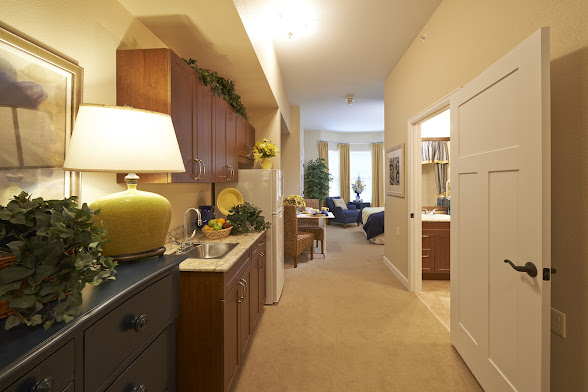
As a vibrant 55+ community, MorningStar at Mountain Shadows offers stylish assisted living suites in a choice of studio, one-bedroom and two-bedroom floor plans. Suites are equipped with kitchenettes, handicapped-accessible bathrooms, emergency call systems and private heating & air conditioning. Basic cable TV and utilities are included as is weekly housekeeping, laundry and linen service and daily spot cleaning. Assisted living facilities are for seniors who require help with the activities of daily living (ADLs) to improve their quality of life. As an assisted living resident, you will have a personalized plan created for you, and updated as needed. Around-the-clock care managers, access to licensed nurses and medication management are just a few of the many services we provide to ensure your safety and to meet your needs. Many residents report being surprised by how full their lives are after a move into a senior living communities . Moreover, rather than lose their indepen...